
Articles — July 13, 2026
Nordic Tourism Reaches Record Highs as International Demand Surges
Based on reporting by Anton Köhler/Travel News (published July 10, 2026), with additional analysis and 2025 tourism statistics.
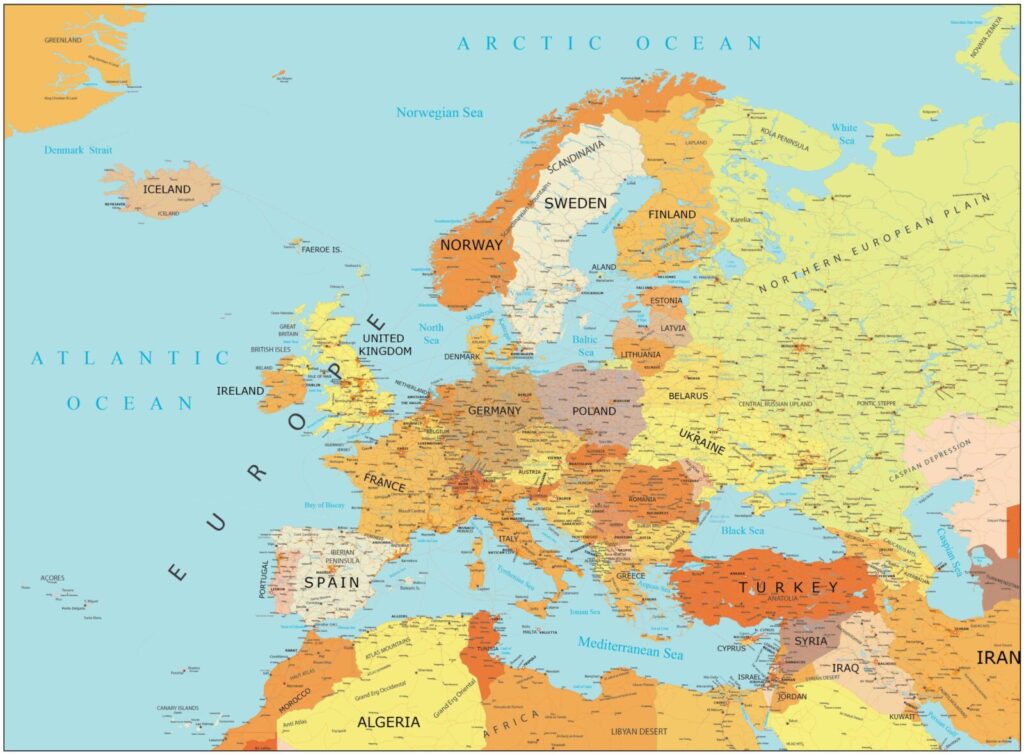
The Nordic region experienced another record-breaking year for tourism in 2025, as Sweden, Norway, and Denmark all reported the highest number of commercial overnight stays in their history. The growth was driven primarily by increasing demand from European travelers and a continued rise in visitors from the United States, reflecting a broader international trend toward nature-based, sustainable, and high-quality travel experiences.
According to reporting by Anton Köhler (2026), Sweden recorded 30.8 million commercial overnight stays during the summer season of 2025, establishing a new national record. Statistics from the Swedish Agency for Economic and Regional Growth indicate that overnight stays by international visitors increased by 8.8% compared with the previous year. Particularly notable was the strong recovery of the U.S. market, with overnight stays by American visitors exceeding 2019 levels by 58%.
Norway also achieved an all-time tourism record in 2025, registering 40.6 million commercial overnight stays, while international overnight stays increased by 14% year-on-year. Denmark similarly reported its highest-ever number of overnight stays, confirming the continued strength of tourism across Scandinavia.
Growing Appeal of Northern Europe
Germany remains the largest international source market for many Nordic destinations, while demand from the United States continues to expand. The combination of political stability, pristine natural environments, outdoor recreation, and high standards of safety has strengthened Northern Europe’s global competitiveness.
According to the SAS Travel Trends 2026 report, travelers are increasingly adding Nordic destinations to traditional beach or city vacations rather than replacing them. SAS describes this development as “Heading North,” a trend driven by travelers seeking nature, seasonal experiences, cooler climates, and slower-paced lifestyles.
Examples highlighted by SAS include Sweden’s Swedish Prescription initiative, which promotes the health benefits of spending time in nature, and Denmark’s internationally recognized hygge lifestyle, emphasizing simplicity, well-being, and quality of life.
Iceland Continues Strong Growth
Iceland remained one of Europe’s fastest-growing tourism destinations during 2025. According to Statistics Iceland and the Icelandic Tourist Board, the country welcomed approximately 2.3 million international visitors, representing continued recovery and growth following the pandemic years. Tourism contributed approximately 8.8% of Iceland’s Gross Domestic Product (GDP), making it one of the country’s most important economic sectors.
Iceland continues to attract visitors with its volcanic landscapes, glaciers, geothermal attractions, Northern Lights, and strong reputation as a sustainable destination. North American and European markets remain the country’s largest visitor segments.
Finland Strengthens International Tourism
Finland also experienced solid tourism growth during 2025. According to Statistics Finland, commercial accommodation establishments recorded approximately 23.3 million overnight stays, including 7.2 million international overnight stays, representing an increase of roughly 13% compared with 2024.
Germany, Sweden, the United Kingdom, and the United States remained among Finland’s most important international markets. Demand was particularly strong for nature tourism, Lapland winter experiences, wellness tourism, and sustainable travel products.
Baltic Countries Continue Tourism Recovery
The Baltic States also recorded continued tourism growth during 2025.
Estonia experienced increasing international arrivals, supported by improved ferry and air connections, with Tallinn remaining the region’s primary tourism gateway. Cultural tourism, digital nomad travel, and cruise tourism continued to strengthen.
Latvia reported further growth in overnight stays, particularly from neighboring European countries. Riga remained the country’s principal tourism destination, while nature tourism and wellness experiences gained popularity.
Lithuania continued its upward trend in international tourism. Vilnius and Kaunas attracted increasing numbers of leisure and business travelers, supported by expanding airline connections and cultural events. Domestic tourism also remained strong throughout the year.
Copenhagen as the Nordic Gateway
SAS reports that Copenhagen continues to function as the primary international hub connecting overseas visitors with destinations across the Nordic region. From Copenhagen, travelers increasingly continue to Arctic Norway, Swedish Lapland, Iceland, Finland, and Denmark’s coastal regions.
Popular destinations include Svalbard, Tromsø, Kiruna, Finnish Lapland, Iceland’s Golden Circle, and Denmark’s coastal towns, all benefiting from growing interest in outdoor recreation and authentic local experiences.
Overall, tourism statistics from 2025 demonstrate that Northern Europe has become one of the world’s most attractive travel regions. International travelers increasingly seek destinations offering safety, sustainability, spectacular natural landscapes, and meaningful experiences—qualities that the Nordic and Baltic countries are well positioned to provide.
References
Anton Köhler. (2026, July 10). Nordic countries break tourism records. Original news article.
Eurostat. (2026). Tourism statistics for European countries.
SAS. (2026). SAS Travel Trends 2026.
Statistics Denmark. (2026). Tourism accommodation statistics.
Statistics Finland. (2026). Accommodation statistics 2025.
Statistics Iceland. (2026). Tourism Satellite Accounts 2025.
Statistics Norway. (2026). Accommodation statistics 2025.
Swedish Agency for Economic and Regional Growth (Tillväxtverket). (2026). Tourism statistics 2025.
Visit Estonia. (2026). Tourism statistics 2025.
Investment and Development Agency of Latvia. (2026). Tourism statistics 2025.
Lithuania Travel / Statistics Lithuania. (2026). Tourism statistics 2025.
